On 24 November 2026, Open Nuclear Network (ONN) hosted the webinar “Mission (Im)possible? Finding a Zone of Possible Agreement for a US-Iran Nuclear Deal”, which presented ONN's Special Monitoring Report “The Iran War: Stakeholder Positions and Prospects for a Future Nuclear Agreement”.
Moderated by ONN Engagement and Network Specialist Kseniia Pirnavskaia, the discussion brought together Benjamin Ashraf, ONN Assistant Analyst and Coordinator and author of the report; Dr Ariane Tabatabai, Vice President of Research at the Chicago Council on Global Affairs, and Karim Kamel, ONN Foresight and Prediction Specialist.
What stood out from the discussion?
- The nuclear file initially lost priority for the US in the war. Ashraf noted that disruption around the Strait of Hormuz and domestic costs increasingly shaped Washington's negotiating position. The June Islamabad memorandum of understanding (MOU) accepted verifiable enrichment limits in place of permanent dismantlement.
- Two areas of convergence emerge. The report points to restored IAEA verification and the sequencing of steps, with both sides inclined to defer the hardest issues.
- Israel's position is hard to reconcile with a nuclear deal alone. Ashraf described broader Israeli objectives and Tabatabai noted that US and Israeli interests are no longer entirely aligned.
- Hormuz divided the panel. Tabatabai doubted that Tehran could concede control or a tolling arrangement in the strait.
- Momentum for NPT withdrawal is growing in the Majlis. Around 130 parliamentarians have pushed to place withdrawal on the parliamentary agenda. While both Ashraf and Tabatabai considered withdrawal unlikely in the near term,Tabatabai assessed that the risk has increased as a result of the conflict.
- Forecasting indicators are low. Kamel cited prediction-market figures of around 2 percent for a nuclear deal in 2026.
- Regional actors should play a more prominent role. The panel pointed to the Gulf states, Türkiye, Oman and other countries directly affected by the war.
- Netanyahu vs. Eisenkot. Under an Eisenkot government, red lines (enrichment) remain, however, readiness for large-scale escalation differs.
How did the report frame the positions of the US, Israel and Iran?
Ashraf defined a Zone of Possible Agreement (ZOPA) as the range in which each side's minimum acceptable outcomes are met. For the United States, he described a position that has oscillated. The aims announced on 1 March covered the nuclear threat, missiles, the navy and regional proxies. However, the position has initially softened then hardened. At the end of the monitoring period, he sees a squeeze between the need for tougher terms and the costs of continuing.
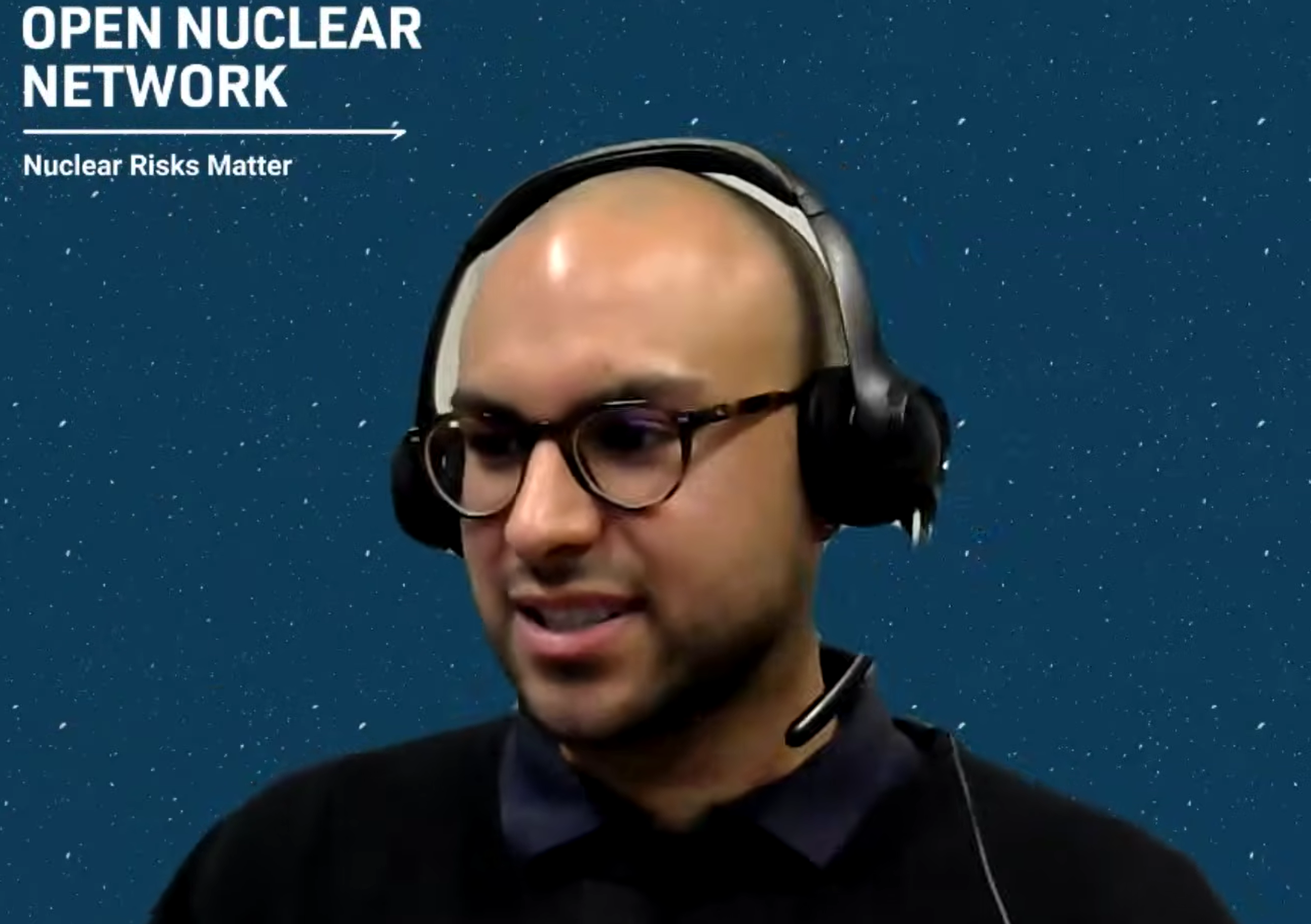
Benjamin Ashraf, ONN Assistant Analyst and Coordinator
Israel has held to three demands since mid-February: removal of all enriched uranium, dismantlement of enrichment infrastructure and no-notice inspections. Ashraf described the nuclear file as a means to a broader objective. Iran rejects weaponisation and treats enrichment as a sovereign right. Its stated red lines include enrichment, retention of enriched uranium, authority over Hormuz and sanctions removal, and it is likely to treat the MOU as its negotiating floor.
Where could a zone of possible agreement lie?
Ashraf proposed a landing zone built on a low, defined enrichment ceiling with strict limits on amount and form, together with the down-blending of higher-risk stocks under IAEA supervision. Four issues remain hard to reconcile: Israel's stance toward the MOU, the sequencing of sanctions relief, Hormuz and the question of who holds authority in Tehran.
Tabatabai considered the ZOPA accurately identified and added that the IAEA has lost continuity of knowledge. She outlined three US options: escalating in order to de-escalate, a negotiated agreement or continuing the current course. She regarded a deal built on the June MOU as politically viable in Washington and expected pressure to grow after 3 January, when the new Congress takes office. On the Iranian side, she observed a hardened leadership and a Supreme Leader with less capacity to coordinate hardline factions.
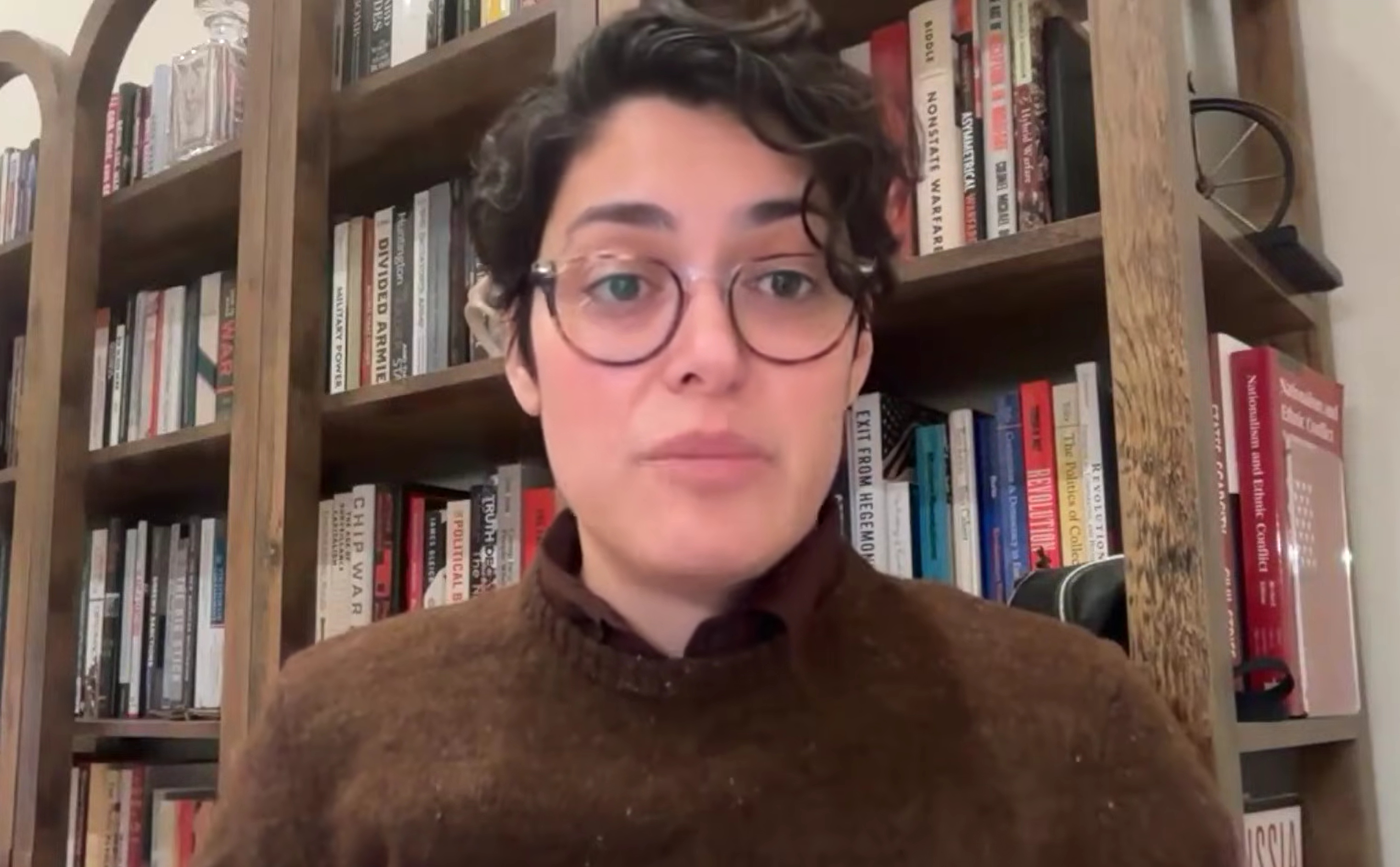
Dr Ariane Tabatabai, Vice President of Research at the Chicago Council on Global Affairs
What did the devil’s advocate add?
Kamel asked how much weight the 130 parliamentarians carry, given that decisions on withdrawal rest largely with the security establishment. He cited prediction-market figures of around 3 percent for a return of Hormuz traffic to normal, 15 percent for a meeting between senior US and Iranian officials in 2026 and 48 percent for a US announcement ending the blockade by 31 March 2027. A June 2026 survey of 844 Israelis showed 42 percent favoring a continuation of the war until the Iranian government falls. He also asked about the roles of Oman, the WMD-free zone process and Syria.
Ashraf replied that the report primarily focuses on the nuclear file, that Oman has concentrated its efforts on Hormuz, and that the Majlis step is the first stage of a longer procedure in which hardliners hold a parliamentary majority.

Karim Kamel, ONN Foresight and Prediction Specialist
What could be done to move from a ZOPA to an agreement?
Tabatabai pointed to the Gulf states and Turkey, which combine willingness with the ability to act. Kamel suggested either confidence-building in small steps or enlarging the problem to the regional level, with Israel attending the UN WMD-free zone process without commitments. Ashraf recommended that Washington present verified stockpile disposition as its headline outcome, offer a no-strike window with defined triggers and frame an enrichment suspension as a voluntary, time-limited choice by Iran, alongside a freeze of the NPT bill.
In response to audience questions, Ashraf noted that Eisenkot and Netanyahu share the same red line on Iran and differ in their readiness for large-scale escalation. On a possible NPT withdrawal, Tabatabai expected devastating consequences for an already strained treaty architecture, while Ashraf noted that Russia has said it does not want Iran to leave the treaty.
Looking Ahead
In closing, each speaker named a minimum step for the short term. Kamel proposed Syria as a potential mediator, Ashraf a crisis line between mediators and a larger role for China and Tabatabai the Gulf states, which already have a stake in the outcome.
The pool of actors who can influence the outcome is wider than the United States and Iran, and any agreement will depend on how verification, sequencing, Hormuz and regional security are addressed together.
Watch the recording