Why We Created Project Loop
At Open Nuclear Network (ONN), our mission is simple but urgent: to reduce the risk of nuclear conflict through better information, better understanding and better action.
To do that in today’s complex and fast-changing world, we need more than traditional analysis — we need foresight. We need to notice weak signals early, make sense of them collectively, and act before risks escalate.
That’s why we created Project Loop — an initiative that uses crowd forecasting and expert collaboration to anticipate nuclear-relevant developments before they turn into crises. It’s our way of turning uncertainty into insight, and insight into prevention.
The Idea Behind “The Loop”
The name Loop comes from the OODA cycle — Observe, Orient, Decide, Act — a model for how people and organisations make sense of fast-moving situations.
At ONN, we’ve adapted this into a continuous process for nuclear risk reduction:
- Observe: Monitor and collect open-source signals of nuclear-relevant activity.
- Orient: Assess the collected data and identify the most consequential developments.
- Decide: Identify the probability of the developments happening in short- to mid-term
- Act: Share findings and recommendations that can help decision-makers reduce risk.
Then the cycle begins again — incorporating the insights that we collected.
That’s the Loop.
In practice, this translates into ONN’s core workflow: Monitor → Forecast → Engage. Each month, our teams and expert community work together to generate insights that feed directly into analysis, dialogue, and outreach.
What Is Forecasting and Why Does It Matter?
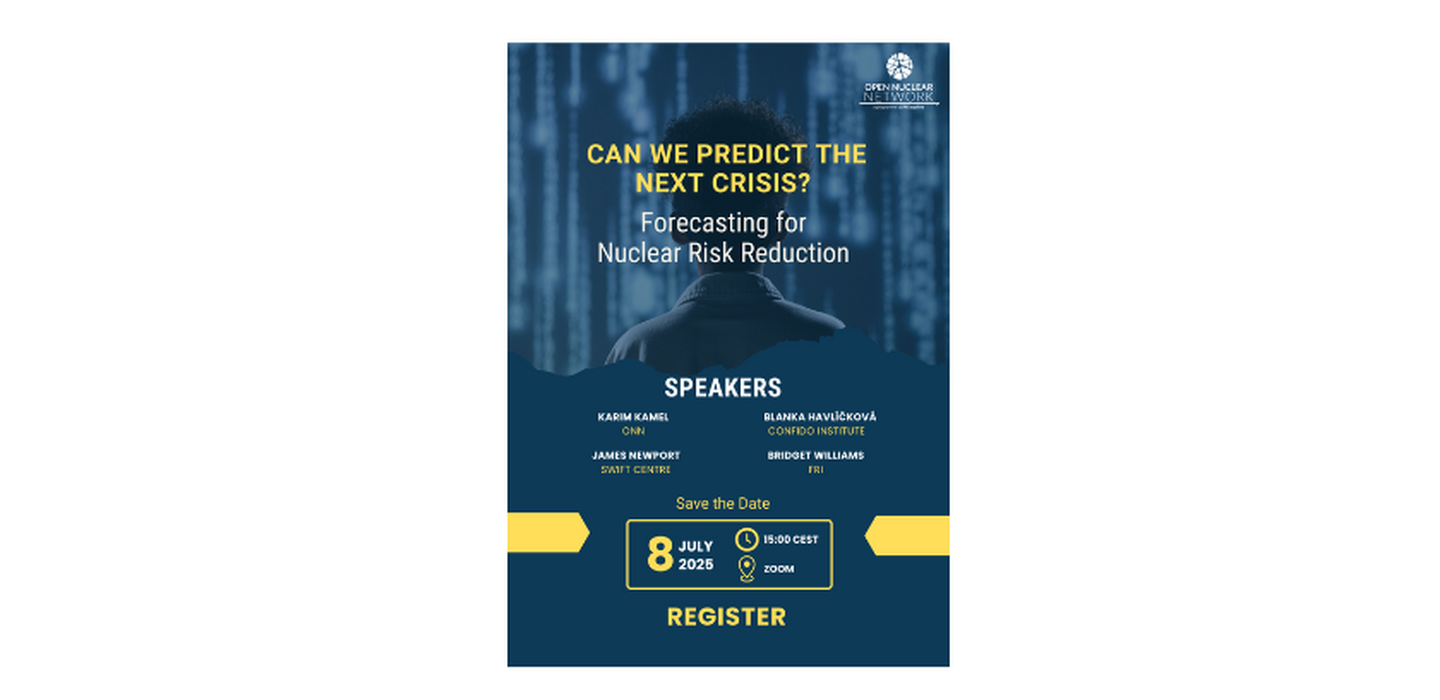
Forecasting doesn’t mean predicting the future with certainty. It means making informed, probabilistic judgments about what might happen, and explaining why.
For example: “What is the probability that Country X will conduct a nuclear weapon test in the next six months?”
When experts express uncertainty in numbers — 30%, 60%, 80% — and explain their reasoning, we can compare perspectives, find patterns, and measure accuracy over time.
When we combine many independent forecasts, the collective result is always more accurate than any single person’s view. That’s the power of the wisdom of the crowd: diverse perspectives, disciplined reasoning, shared learning.
Introducing the Expert Roster
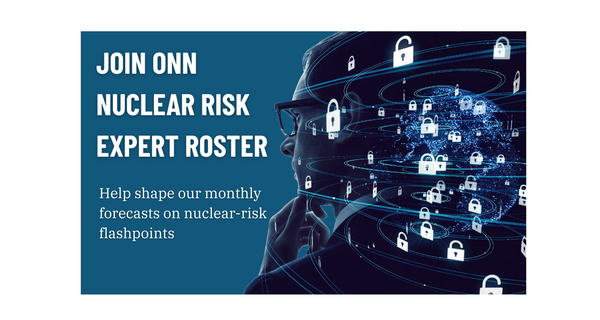
At the core of Project Loop is the Expert Roster — a growing, diverse network of regional specialists, technical experts, and policy analysts contributing across all stages of the cycle.
Roster members can engage in monitoring, forecasting, and analytical discussions, helping to strengthen the depth and credibility of Loop’s outputs. As part of the community, members also gain access to a dedicated Roster-only platform, where they can explore the full set of outputs from each Loop cycle, including detailed forecasts, rationales and internal insights.
At the same time, ONN publishes selected findings and key outputs publicly to ensure broader access and impact.
Project Loop is designed to grow and evolve — and the Expert Roster grows with it.
How You Can Contribute
Project Loop is designed as an open platform where experts can engage across three complementary stages. Forecasting is the core, but the Loop thrives when insights flow through every part of the cycle.
-
Monitoring — Observing the World Together
Share relevant developments, local perspectives, or emerging signals that may shape future risks. Your input helps us build a clearer and more timely picture.
-
Forecasting — Thinking About What Comes Next
Contribute probability estimates and reasoning, suggest new forecasting questions, or participate in facilitated group sessions. This is the analytical core of the Loop.
-
Engaging — Turning Insight into Impact Help translate forecasts into meaningful conversations, recommendations, and outreach that can inform policy and reduce risk.
Together, We Close the Loop
Project Loop is more than a methodology — it’s a community. It connects experts across regions and disciplines to build a shared understanding of nuclear risk. You don’t need to be a professional forecaster to contribute. What matters is your expertise, your curiosity, and your willingness to think carefully about uncertainty. Every signal shared, every forecast made, and every insight communicated strengthens our collective ability to anticipate and reduce nuclear risk.
Project Loop is how we do that — together, openly and continuously.