ONN contributes across the NPT RevCon with events on DPRK analysis, forecasting, disinformation and emerging technologies, alongside partner discussions shaping the future of nuclear governance and risk reduction. Check out all the events with Open Nuclear Network.
As the 2026 NPT Review Conference gets underway in New York, Open Nuclear Network (ONN) is actively contributing to discussions across a wide range of nuclear policy challenges. From forecasting and foresight to open-source analysis, disinformation and emerging technologies, ONN experts are engaging throughout the RevCon programme—both by organising events and contributing to partner-led discussions.
Below is an overview of where to find ONN during the NPT RevCon.
ONN Side Events
-
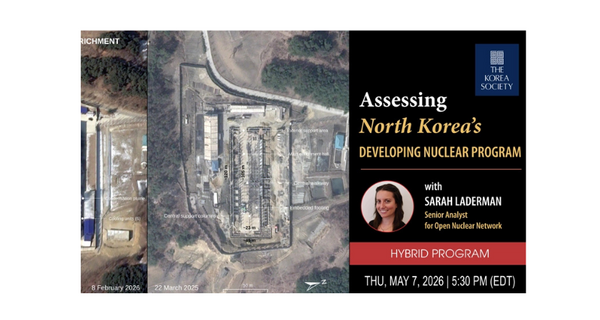
Assessing North Korea's Developing Nuclear Programme (hosted by The Korea Society)
📍 The Korea Society, 350 Madison Avenue, 24th Floor, New York;
🗓 7 May 2026 | 17:30 EDT
ONN Senior Analyst Sarah Laderman presents insights into the DPRK’s nuclear fuel cycle and weaponisation capabilities, in conversation with Jonathan Corrado. -
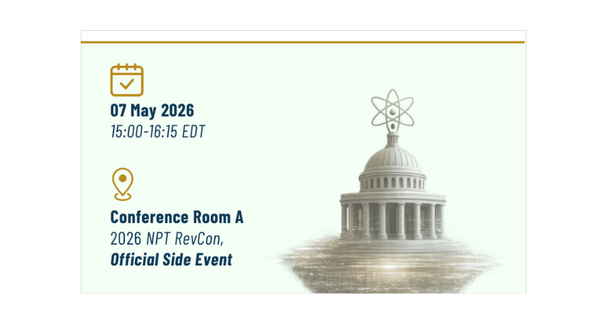
Radiological & Nuclear Disinformation: Implications for the NPT & Multilateral Nuclear Governance
📍 United Nations, Conference Room A
🗓 7 May 2026 | 15:00–16:15 EDT
Featuring ONN’s Elin Bergner and Sarah Laderman, this side event examines how disinformation affects trust, crisis communication and decision-making across the NPT’s three pillars. -
Open Source Assessments of the DPRK’s Nuclear Programme
📍 United Nations, S-1520
🗓 12 May 2026 | 13:15–14:30 EDT
This session presents findings from the multi-year project on the DPRK's nuclear programme, with ONN’s Jaewoo Shin contributing alongside partners from CNS, VERTIC, and UNODA. -
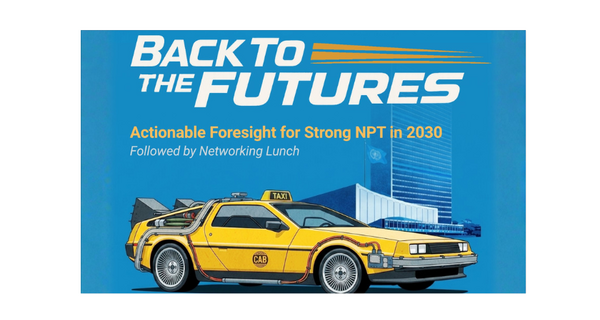
Back to the Futures: Actionable Foresight for a Strong NPT in 2030
📍 Carnegie Corporation of New York, 437 Madison Avenue
🗓 14 May 2026 | 10:30–12:00 EDT (followed by lunch)
This interactive policy exercise, facilitated by Karim Kamel and Kristiana Nitisa, brings together diplomats and analysts to explore pathways for strengthening the NPT through forecasting and backcasting approaches.
ONN Contributions to Partner Events
-
International Group of Eminent Persons (IGEP) Side Event hosted by the Ministry of Foreign Affairs of Japan
📍 UN, Conference Room 12
🗓 27 April 2026 | 13:15–14:30 EDTOlamide Samuel contributes as a speaker to discussions on nuclear policy and governance.
-
Kazakhstan's Side Event: Nuclear Weapon Free Zones
📍 UN, Conference Room 8
🗓 28 April 2026 | 13:15–14:30Olamide Samuel contributes as speaker and moderator, including discussion of ONN research on NWFZs.
-
RECNA's Side Event: From the International Nuclear Non-Proliferation Regime to the Global Zero Regime
📍 UN, Conference Room A
🗓 30 April 2026 | 12:00–13:00 EDTKseniia Pirnavskaia speaks alongside international experts on the future of non-proliferation regime.
-
UNODA & Republic of Korea's side event: Future-Proofing the NPT: A Youth-led Intergenerational Dialogue on Nuclear Weapons and Emerging Technologies
📍 UN, Conference Room 8 (+ UN Web TV)
🗓 30 April 2026 | 13:15–14:30 EDTKseniia Pirnavskaia moderates this dialogue exploring generational perspectives on emerging risks and technologies.
-
UNIDIR and Malta's Side Event: Nuclear Policy-Making Across Generations: Ensuring Inclusive, Peaceful Processes for a Sustainable Future for All
📍 UN, Conference Room 8
🗓 4 May 2026 | 13:15–14:30 EDTKseniia Pirnavskaia joins discussions on inclusive nuclear policymaking.
-
SIPRI & Germany's Side Event: Exploring Opportunities at the AI–Nuclear Nexus
📍 UN, Conference Room 8
🗓 7 May 2026 | 13:15–14:30 EDTSarah Laderman contributes to discussions on the intersection of artificial intelligence and nuclear risks.