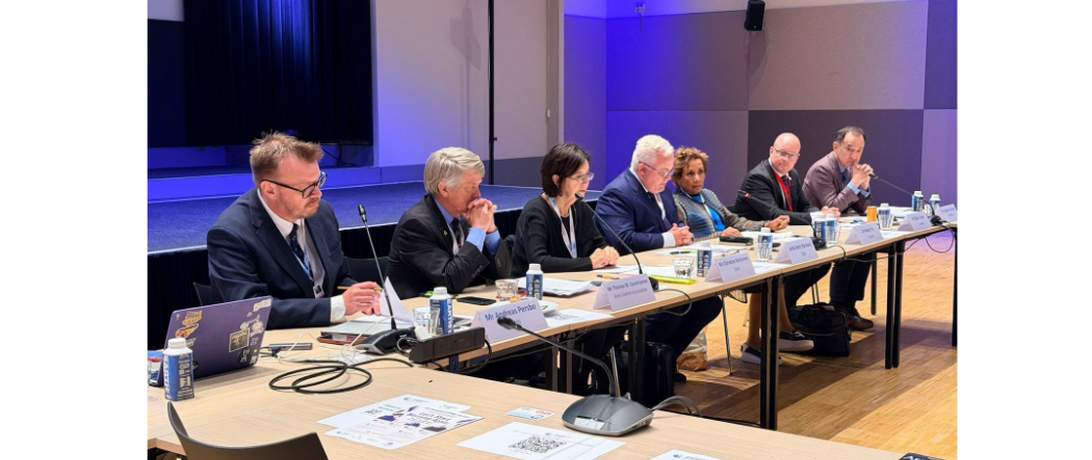
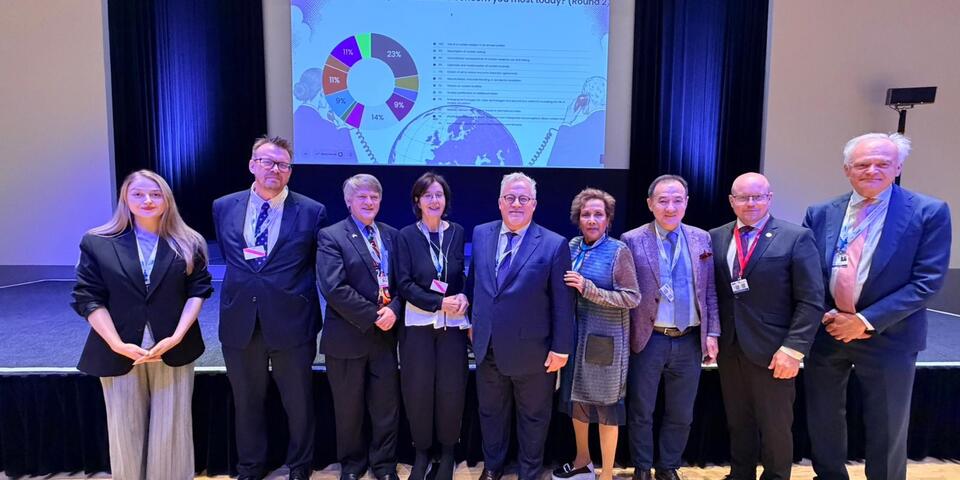
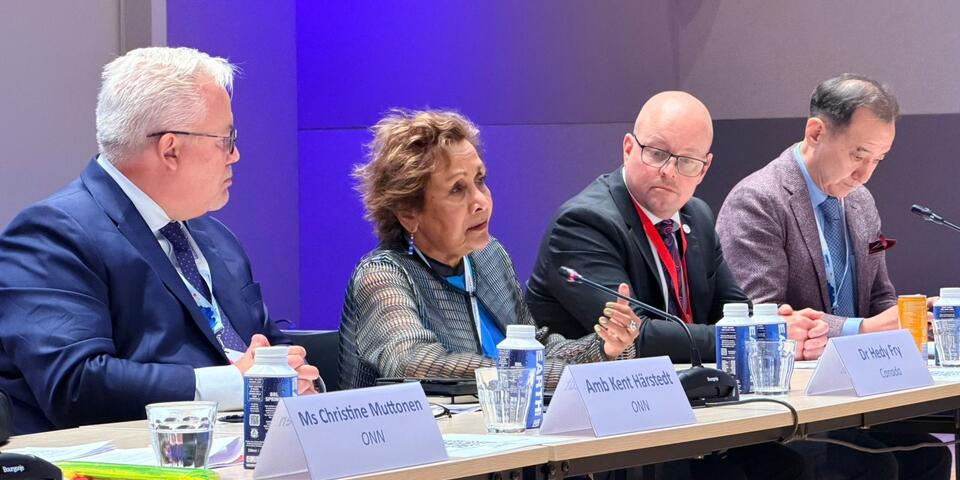
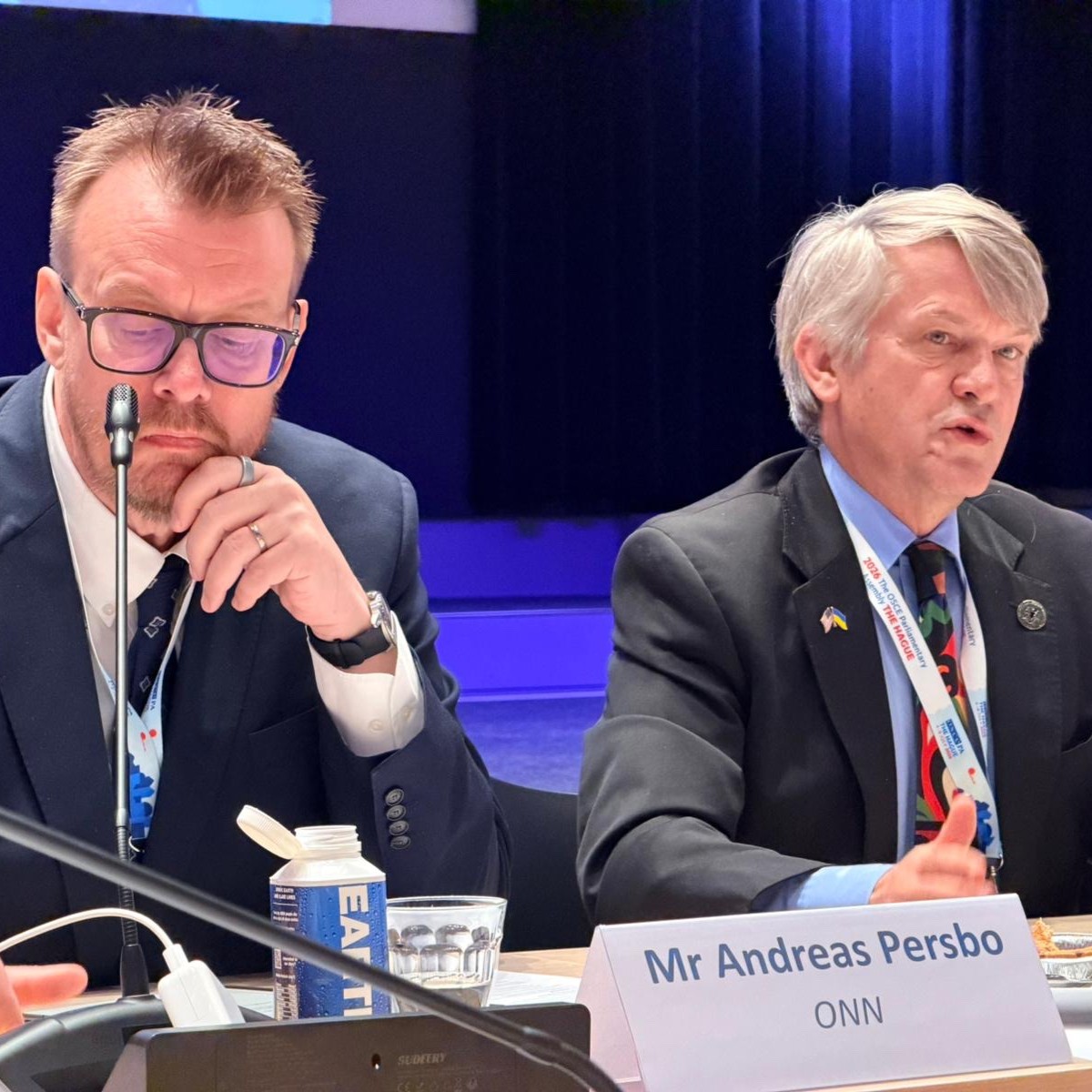
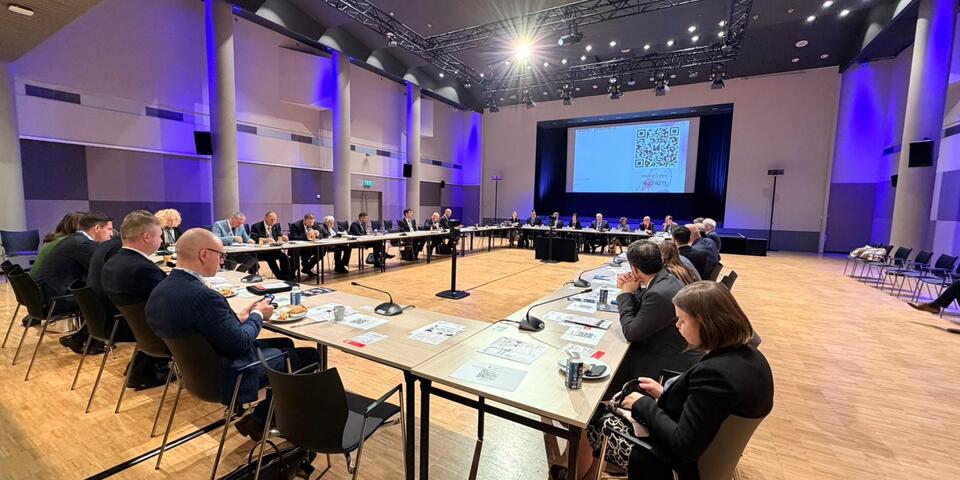
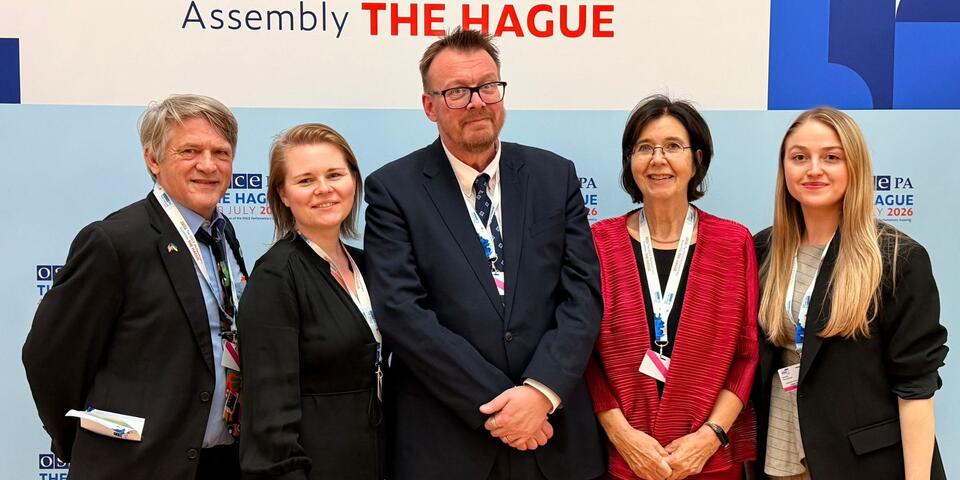
The side event marked an important milestone for the OSCE Parliamentary Assembly Annual Session. While nuclear weapons and strategic stability have rarely been addressed as a dedicated topic within this forum, ONN convened the first structured discussion focused specifically on nuclear risks. The event created a dedicated space for parliamentarians to examine contemporary nuclear challenges, exchange perspectives and identify practical avenues for parliamentary engagement in nuclear risk reduction.
The event’s co-sponsorship also reflected a key message of the discussion: nuclear risks are global risks. By bringing together parliamentary leadership from Canada, Sweden and Mongolia - representing North America, Europe and Asia - the event underscored that reducing nuclear risks is not the responsibility of any single region or group of states, but a shared international challenge requiring broad political engagement and cross-regional cooperation. Inspired by the OSCE’s concept of a common security space “from Vancouver to Vladivostok,” the event brought together partners from across the OSCE region. This cross-regional approach reinforced a central message of the side event: nuclear risks do not belong to any single country or region, they are global risks that require global cooperation and sustained parliamentary engagement.
The side event opened with remarks from Dr Hon. Hedy Fry, Head of the Canadian Delegation; Mr Björn Söder, Head of the Swedish Delegation; and Mr Tsogtbaatar Damdin, Head of the Mongolian Delegation and former Foreign Minister of Mongolia, who emphasised the importance of sustained international cooperation, practical action and parliamentary leadership in advancing nuclear risk reduction.
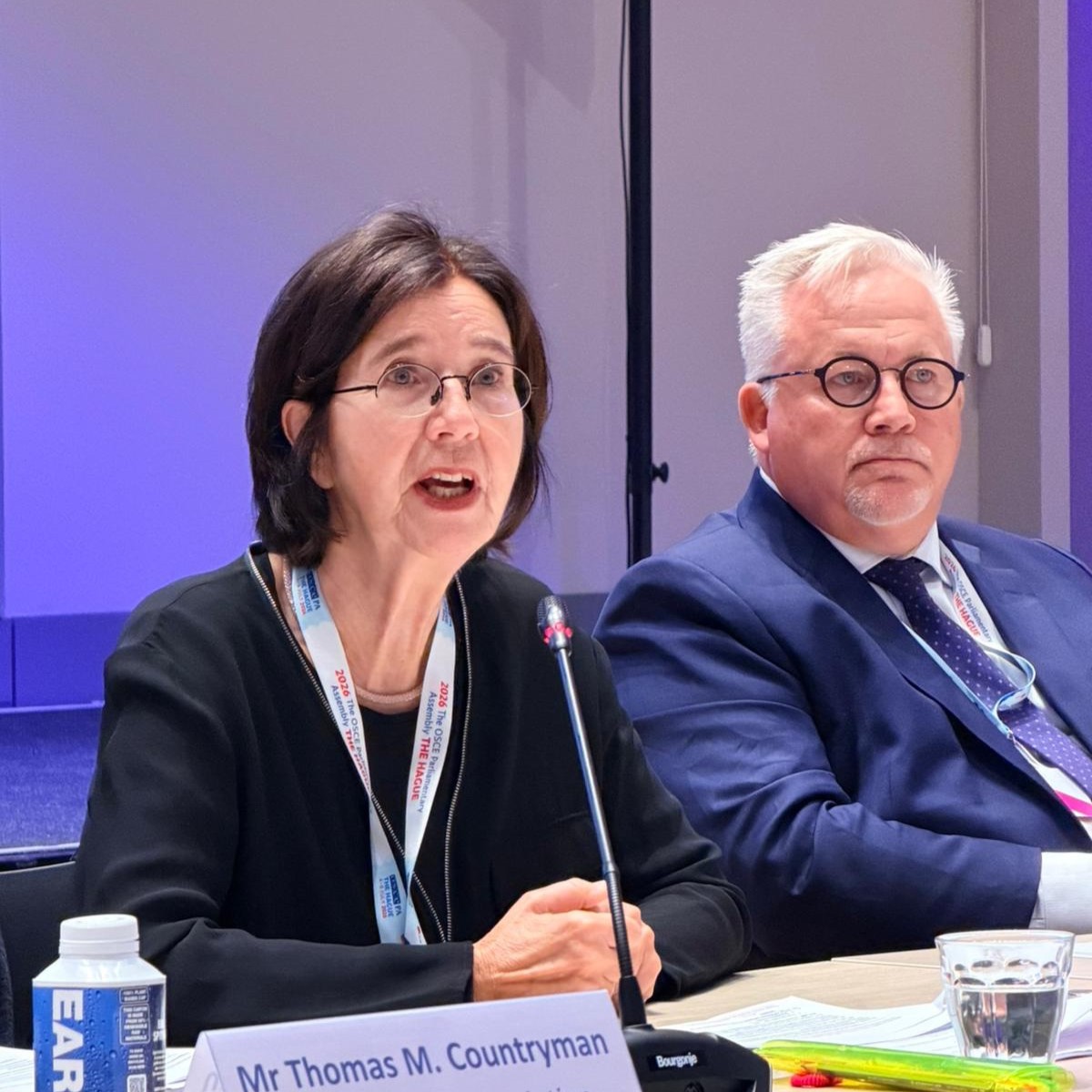
The expert discussion featured Andreas Persbo, Director of Open Nuclear Network, and Thomas Countryman, Chair of the Board of the Arms Control Association and former US Assistant Secretary of State for International Security and Nonproliferation, who examined the evolving nuclear risk landscape, the deterioration of the arms control architecture, the importance of preserving strategic dialogue, and practical opportunities for parliamentarians to contribute to nuclear risk reduction.
The event was moderated by Ambassador Kent Härstedt, Chair of ONN’s Advisory Council and former Vice-President of the OSCE Parliamentary Assembly, who guided the parliamentary discussion, and Christine Muttonen, member of ONN’s Advisory Council and former President of the OSCE Parliamentary Assembly, who moderated the expert panel. Their longstanding leadership within the OSCE Parliamentary Assembly, combined with their continued support for ONN, was instrumental in bringing the Assembly’s dedicated discussion on nuclear risks to the Annual Session and fostering a meaningful exchange between parliamentarians and experts.
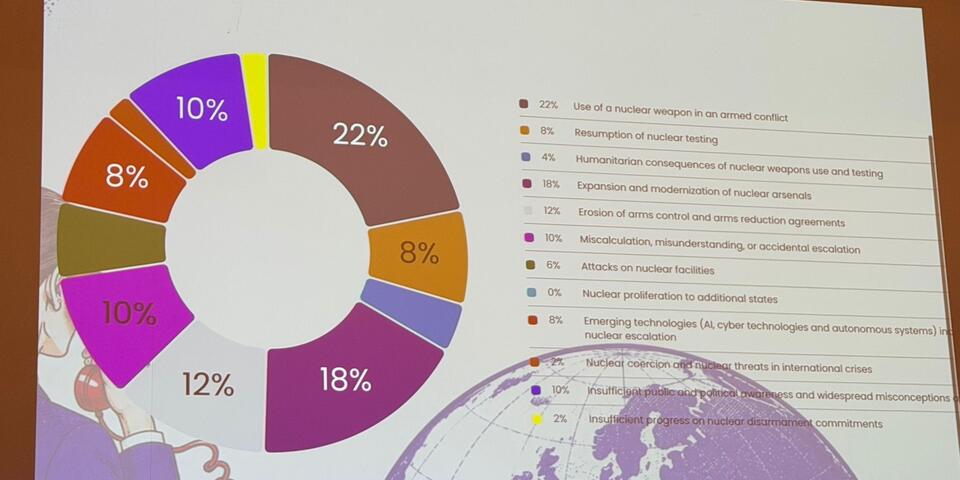
To frame the discussion, participants were invited to identify what they considered the most pressing nuclear risks. Before the side event, the use of a nuclear weapon in an armed conflict emerged as the highest concern (22%), followed by the expansion and modernisation of nuclear arsenals (18%) and the erosion of arms control and arms reduction agreements (12%). Other significant concerns included miscalculation or accidental escalation (10%), insufficient public and political awareness of nuclear risks (10%), the resumption of nuclear testing (8%), and the impact of emerging technologies, including artificial intelligence, cyber capabilities and autonomous systems (8%).
Throughout the discussion, participants emphasised that the international nuclear policy environment has become increasingly fragile. Speakers highlighted the weakening of the arms control architecture, continued nuclear modernisation, reduced dialogue among nuclear-armed states, and attacks on nuclear facilities as developments that have increased strategic uncertainty. They stressed that no country can address these risks alone, reinforcing the need for international cooperation and sustained engagement. Several participants also observed that public awareness of nuclear risks has diminished over time, making it more difficult to sustain political momentum for nuclear risk reduction.
A central focus of the side event was the practical role parliamentarians can play in reducing nuclear risks. Participants discussed how legislators can raise awareness of nuclear issues within their societies, strengthen expertise on nuclear policy within governments and parliaments, scrutinise defence and nuclear-related budgets, support arms control and risk reduction initiatives, and maintain dialogue with counterparts in nuclear-armed states. The discussion underscored that communication should remain open even during periods of political tension, as dialogue is essential for reducing misunderstandings, preventing miscalculation and maintaining strategic stability. Participants also highlighted the importance of preserving the global moratorium on nuclear testing, reinforcing norms against attacks on nuclear facilities, and ensuring that arms control remains a political priority alongside defence and security policies.
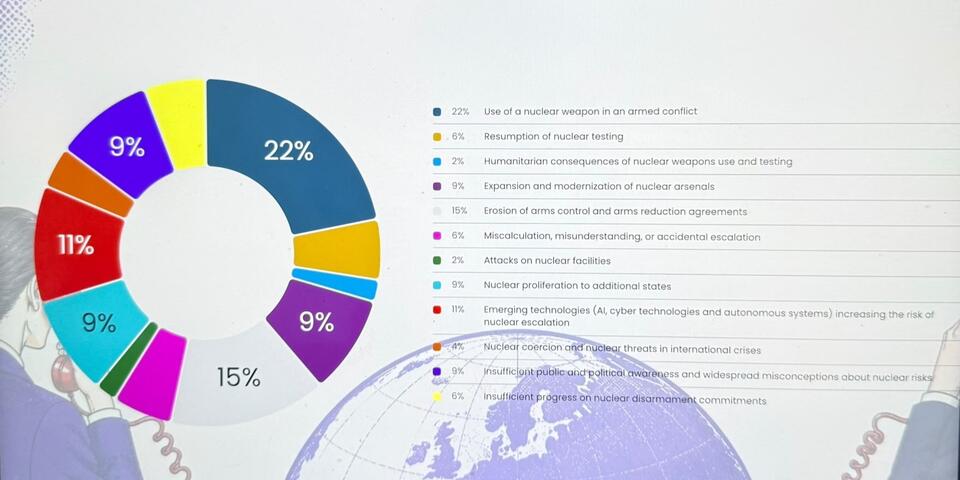
At the conclusion of the side event, participants repeated the polling exercise to assess whether perspectives had changed. While the use of a nuclear weapon in an armed conflict remained the highest-ranked concern (22%), concern about the erosion of arms control and arms reduction agreements increased from 12% to 15%, emerging technologies increased from 8% to 11%, and nuclear proliferation to additional states rose from 0% to 9%. Meanwhile, concern over the expansion and modernisation of nuclear arsenals decreased from 18% to 9%, while miscalculation or accidental escalation declined from 10% to 6%. These shifts suggest that the discussion broadened participants’ understanding of the structural drivers of nuclear risk, particularly the importance of preserving arms control, addressing emerging technologies, strengthening communication among nuclear-armed states and preventing proliferation.
The side event concluded that parliamentarians have a vital role to play in ensuring that nuclear risks remain on the political agenda. Through parliamentary oversight, informed policymaking, cross-party and cross-border dialogue, and sustained support for arms control and risk reduction efforts, legislators can make a meaningful contribution to reducing nuclear risks and strengthening international security. The discussion demonstrated the value of creating a dedicated parliamentary space for nuclear risk reduction within the OSCE PA and laid the foundation for continued engagement on this critical global challenge.
The side event was also mentioned in the OSCE Parliamentary Assembly's newsletter.